
Quick answer: Robinhood lets you buy, sell and hold popular cryptocurrencies such as Bitcoin and Ethereum in the same app as your stocks. There’s no commission, but Robinhood earns money through the spread built into prices. You can send and receive many coins to and from external wallets, use recurring buys and track prices 24/7. Crypto at Robinhood is held by Robinhood Crypto and is not protected by SIPC or FDIC, and prices can swing wildly. Availability of some coins and features depends on your state.
This guide explains how crypto works on Robinhood, what it costs, how to move it, and what to watch out for.
Looking for the Bitcoin or Ethereum price? Crypto prices change every second, so we don’t list them here. Check the live price in the app or on a market data site before you buy.
Robinhood Crypto at a glance
| Item | Details |
|---|---|
| Commission | $0 |
| Main cost | Spread between buy/sell price and market price |
| Trading hours | 24 hours a day, 7 days a week |
| Minimum buy | As little as $1 on many coins |
| Transfers | Send and receive supported coins |
| Protection | Not SIPC or FDIC protected |
| Self-custody option | Robinhood Wallet app (separate) |
How to buy crypto on Robinhood
- Make sure crypto trading is enabled in your account (it may require accepting extra agreements).
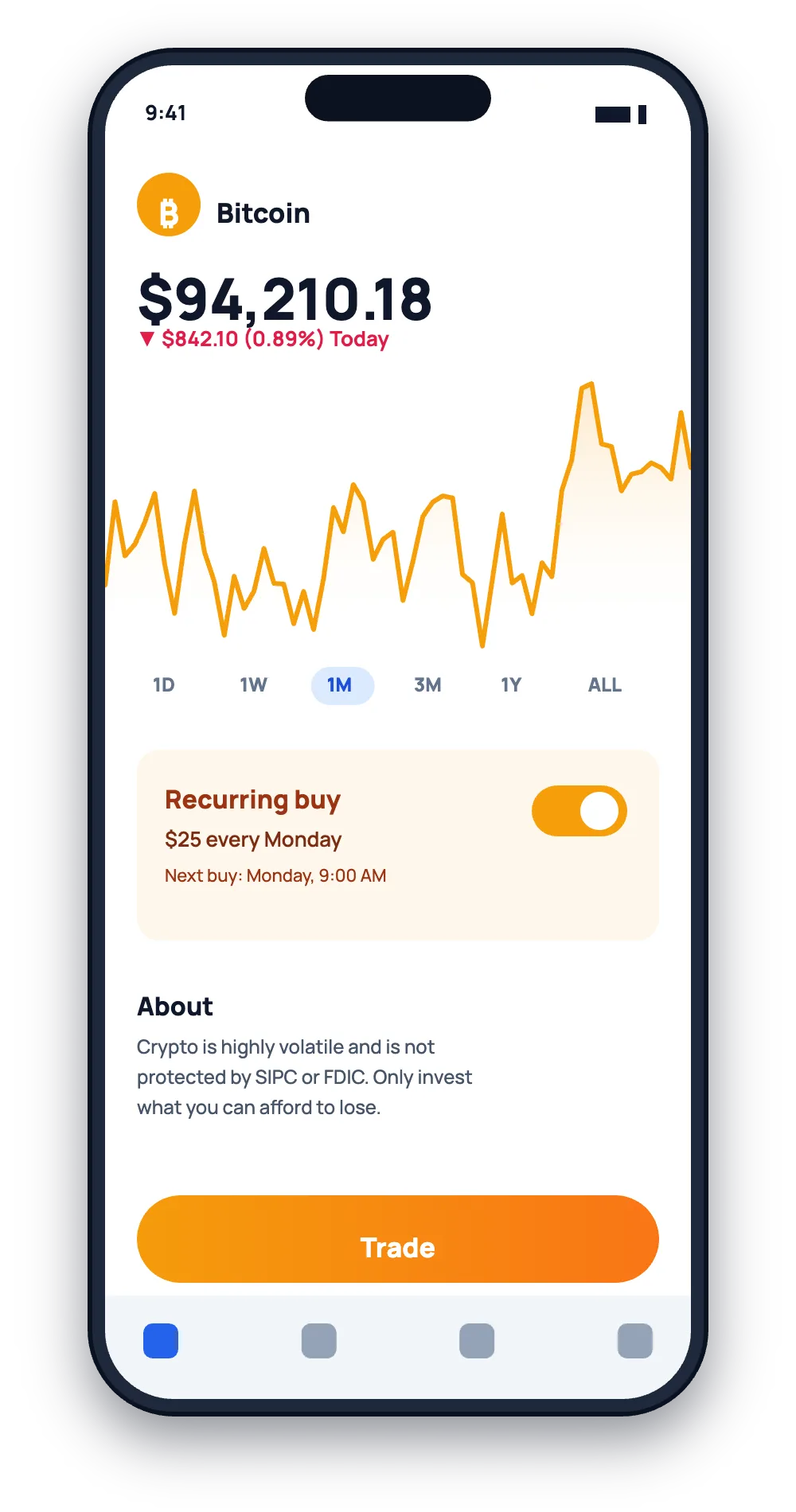
- Search for a coin such as Bitcoin.
- Tap Trade → Buy.
- Enter a dollar amount or coin amount.
- Choose a market or limit order.
- Review the price, estimated quantity and any spread information, then confirm.
To sell, open the coin and tap Trade → Sell. Crypto trades 24/7, including weekends and holidays. For general app steps, see how to use Robinhood.
Crypto fees and the spread
Robinhood advertises commission-free crypto, but it includes a spread in your price — you buy slightly above and sell slightly below the market midpoint. The spread varies by coin, trade size and market conditions. It isn’t always visible as a separate line, so compare the quoted price with market prices before large trades. Limit orders help control the price you pay. Network fees may apply when you send crypto out. See our fees guide for other costs.
Supported coins
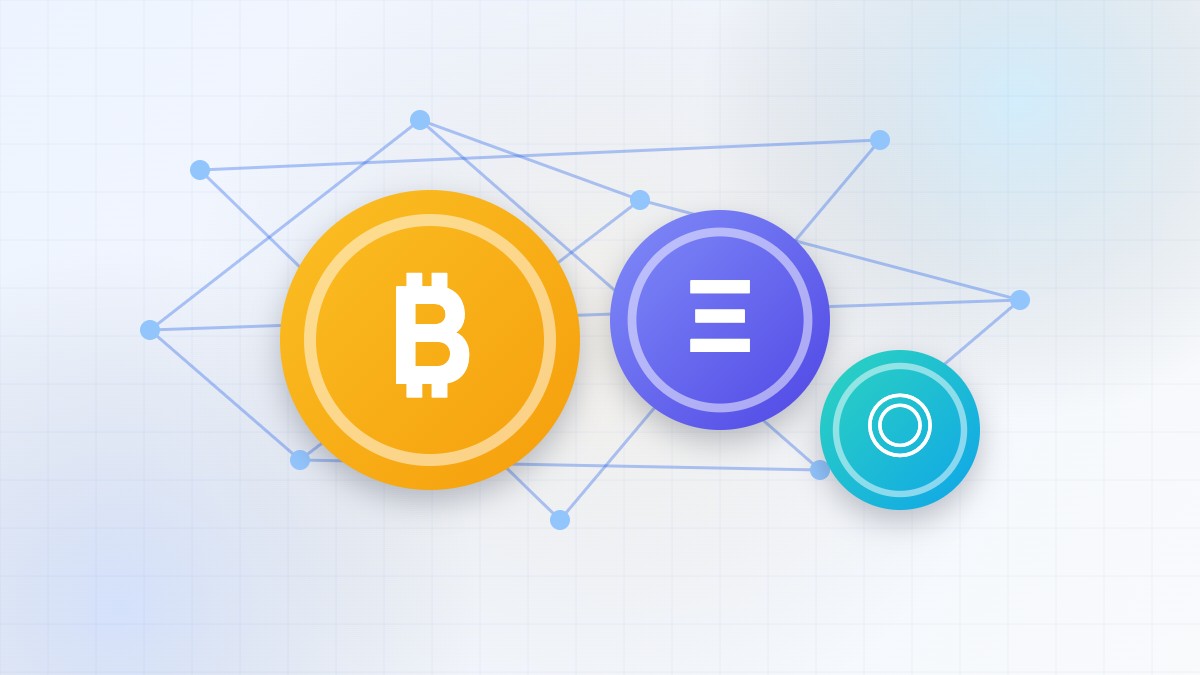
Robinhood supports a list of major coins and tokens, commonly including Bitcoin (BTC), Ethereum (ETH), Solana (SOL), Dogecoin (DOGE), XRP, Cardano (ADA), Litecoin (LTC), Avalanche (AVAX), Chainlink (LINK) and others. The list changes as Robinhood adds or removes assets, and some coins aren’t available in every state. Check the app for the current list.
Sending and receiving crypto
- Open the coin and tap Send or Receive.
- To receive, copy your Robinhood deposit address for that coin and network.
- To send, paste the external wallet address, choose the network and amount.
- Verify your identity if prompted and confirm.
Always double-check the network and address. Sending to the wrong address or network can mean permanent loss. Robinhood may set limits and holding periods, especially for new accounts or recent purchases.
Robinhood Wallet vs your Robinhood account
| Crypto in Robinhood app | Robinhood Wallet | |
|---|---|---|
| Who holds the keys | Robinhood (custodial) | You (self-custody) |
| Recovery | Account recovery through Robinhood | Your recovery phrase only |
| Uses | Buy, sell, hold, send | DeFi, NFTs, swaps, multiple chains |
Is crypto on Robinhood safe?
Robinhood Crypto stores most customer crypto in cold storage and uses security controls, and it’s licensed for crypto activities in the states where it operates. But:
- Crypto isn’t protected by SIPC or FDIC.
- Prices can drop 50% or more.
- Scams targeting crypto users are common.
- Sending to the wrong address can’t be undone.
Read our Robinhood safety guide and only invest what you can afford to lose.
Recurring crypto buys
You can set automatic daily, weekly or monthly crypto purchases. This spreads your buying over time (dollar-cost averaging) and removes the urge to time the market. Check whether recurring buys fit your budget and risk tolerance.
Crypto taxes
In the US, crypto is treated as property. Selling crypto for cash, trading one coin for another or spending crypto can create capital gains or losses. Robinhood provides tax forms for crypto activity (including newer forms brokers now issue for digital assets). Keep records of transfers in and out, since transferred coins’ cost basis may need extra tracking. See the IRS digital assets page.
State availability
Robinhood Crypto operates in most US states, but some coins or features may be limited in certain states due to local rules. The app only shows what’s available to you.
Other crypto features
- Crypto gifts — send crypto to friends in some promotions or features.
- Price alerts — get notified when coins hit your target.
- Robinhood Chain — Robinhood’s own blockchain network, launched in 2026, mainly for tokenized assets outside the US.
- Robinhood Legend — advanced charts for crypto traders.
Explore more in our crypto guides.
A real-world example
Jamal set up a $20 weekly recurring buy of Bitcoin on Robinhood and kept it to 5% of his investments. When prices fell sharply one month, his recurring buys continued automatically, and he didn’t panic-sell. He moved part of his holdings to a hardware wallet using Robinhood’s send feature, carefully checking the network. At tax time, he downloaded Robinhood’s forms and kept records of the transfer.
Tips for crypto on Robinhood
- Keep crypto a small part of your portfolio unless you accept big swings.
- Use limit orders for large trades.
- Turn on two-factor authentication.
- Double-check addresses and networks when sending.
- Keep records for taxes.
- Ignore “giveaway” scams promising free crypto.
Crypto vs crypto ETFs on Robinhood
Besides buying coins directly, you can buy exchange-traded funds that hold Bitcoin or Ether, which trade like stocks during market hours. ETFs are held in your brokerage account, can be held in an IRA, and come with fund expense ratios instead of crypto spreads. Direct crypto trades 24/7 and can be sent to external wallets. Each approach has different costs, protections and tax reporting, so choose the one that fits how you plan to use crypto. Neither removes crypto’s price risk.
What to do if you send crypto to the wrong place
Blockchain transfers usually can’t be reversed. If you sent coins to the wrong address or network, contact Robinhood support through the app right away with the transaction details. Recovery isn’t guaranteed, which is why sending a small test amount first is a smart habit.
FAQ
Does Robinhood charge fees for crypto?
No commission, but you pay through the spread.
Can I transfer crypto out of Robinhood?
Yes, many supported coins can be sent to external wallets, subject to verification and limits.
Is crypto on Robinhood safe?
Robinhood uses security measures, but crypto isn’t SIPC/FDIC protected and prices are volatile.
Can I buy any coin on Robinhood?
Only supported coins, and some depend on your state.
Do I pay taxes on crypto?
Yes, selling or spending crypto can trigger taxes. Robinhood provides tax forms.
Our take
Robinhood is a convenient way to buy and hold popular cryptocurrencies alongside stocks, with no commission and easy transfers. The trade-offs are the spread, a limited coin list compared with dedicated exchanges, and the high risk of crypto itself. This guide is educational and not financial advice.
RobinhoodTradeApp Guide is an independent website and is not affiliated with, endorsed by or sponsored by Robinhood Markets, Inc. This article is for educational purposes only and is not financial, investment or tax advice. Fees, rates and features change often, so always confirm details on Robinhood’s official website. Investing involves risk, including the possible loss of principal.

Leave a Reply