Quick answer: Robinhood Chain is Robinhood’s own blockchain network, built on Arbitrum technology, whose public mainnet went live on July 1, 2026. It’s designed for tokenized real-world assets and stablecoins. Robinhood uses it for Stock Tokens — tokens that track the price of US stocks and ETFs — offered to customers in many countries outside the US. Stock Tokens are generally not the same as owning shares: reports describe the newer tokens as debt securities with no shareholder rights, and earlier EU tokens as derivative contracts. US customers can’t typically buy them.
Tokenized stocks are one of the most talked-about trends in finance. This guide explains what Robinhood is building and the important caveats.
Robinhood Chain and Stock Tokens at a glance
| Item | Details |
|---|---|
| Robinhood Chain | Arbitrum-based layer-2 blockchain |
| Mainnet | Public mainnet live July 1, 2026 |
| Purpose | Tokenized assets and stablecoins |
| Stock Tokens | Tokens tracking US stocks/ETFs |
| Ownership | Not direct shares; no shareholder rights (per reports) |
| Availability | Many countries outside the US; not typical for US customers |
| History | EU Stock Tokens launched in 2025 as derivatives |
What is Robinhood Chain?
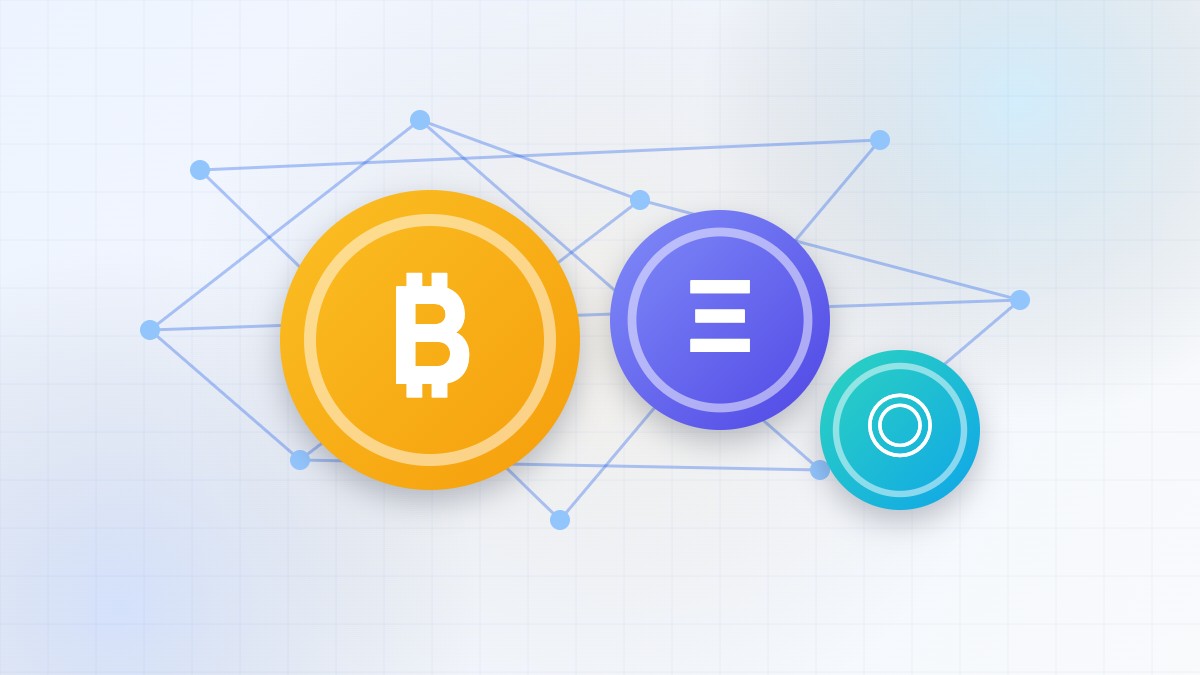
Robinhood Chain is a blockchain network built using Arbitrum technology, a popular way to build fast, low-cost networks that connect to Ethereum. Robinhood revealed its plans in June 2025 and launched the public mainnet on July 1, 2026, with very fast block times and native support for tokenized equities and stablecoins. The goal is to move more financial assets onto blockchain rails, enabling features like near-instant settlement and round-the-clock trading.
What are Stock Tokens?
Stock Tokens are digital tokens whose prices track US-listed stocks and ETFs. They let customers outside the US get exposure to US companies, often in small amounts and with extended trading hours. Robinhood first launched Stock Tokens in the EU in 2025 as derivative contracts held in the Robinhood Europe app. Newer Stock Tokens linked to Robinhood Chain have been described as debt securities that track prices without giving shareholder rights.
Stock Tokens vs real shares
| Real shares | Stock Tokens | |
|---|---|---|
| Ownership | Part-owner of the company | A claim tied to the token’s terms |
| Voting rights | Yes | No (per reports) |
| Dividends | Paid directly | May be reflected per terms, if at all |
| Investor protection | Brokerage rules (e.g., SIPC in US) | Depends on issuer and jurisdiction |
| Trading hours | Exchange hours (+ extended) | Potentially longer |
Always read the product terms to understand what you actually own.
Who can use Stock Tokens?
Stock Tokens have been offered to customers in the EU and, with the newer product, in many countries outside the US. US securities laws make tokenized stocks more complex for US customers, so US users typically buy real shares through their Robinhood brokerage accounts instead — including fractional shares and the 24 Hour Market. See our 24 Hour Market guide.
Why tokenization matters
- Faster settlement: blockchain transfers can settle quickly.
- Longer hours: tokens can trade outside exchange hours.
- Global access: easier exposure to US assets abroad.
- Programmability: tokens can be used in other apps and services.
Regulators are still deciding how tokenized securities should be treated, so rules may change.
Risks to understand
- No shareholder rights with many tokens.
- Issuer risk: you rely on the issuer’s structure and promises.
- Regulatory risk: rules may change by country.
- Technical risk: smart contract or network issues.
- Liquidity: trading outside main hours may be thin.
- Price differences: token prices may differ from the underlying stock at times.
Robinhood Chain and crypto users
Robinhood Chain may also support stablecoins and other tokens, and could be used by Robinhood Wallet and developers building apps. Supported features will evolve. See our Robinhood Wallet guide and crypto guide.
A real-world example
Marco lives in Europe and wanted exposure to a large US tech company outside his local market hours. Using Robinhood’s app in his country, he bought a small amount of the company’s Stock Token. He read the terms and understood he had price exposure but no voting rights. He kept the position small and treated it like a derivative, not a long-term share holding.
For US readers
If you’re in the US, you can invest in US stocks directly through a Robinhood brokerage account, with SIPC protection and full shareholder rights. Tokenized versions offer little advantage for most US investors today. Start with how to buy stock on Robinhood.
Timeline
| Date | Event |
|---|---|
| June 2025 | Robinhood launches Stock Tokens in the EU and reveals plans for its own layer-2 chain |
| 2025–2026 | Testing and expansion of tokenized assets |
| July 1, 2026 | Robinhood Chain public mainnet goes live |
Follow official updates in the Robinhood newsroom.
Questions to ask before buying any tokenized stock
- What exactly do I own — a share, a debt claim or a derivative?
- Who is the issuer, and what happens if they fail?
- Do I get dividends or voting rights?
- When can I trade, and how liquid is it?
- How is it taxed in my country?
The bigger picture
Many large financial firms are exploring tokenization, from money market funds to bonds and stocks. Robinhood is one of the most aggressive consumer brokers in this area. Over time, tokenization could change how markets settle and operate, but for now it’s early, and investor protections vary widely.
How tokenized stocks are priced
Stock Tokens are designed to track the price of the underlying stock or ETF. During US market hours, prices usually stay close. Outside those hours, token prices move based on supply and demand among token traders and news, which can create gaps compared with the next day’s stock open. Issuers and market makers use hedging to keep prices aligned, but differences can appear in fast markets.
Taxes on Stock Tokens
Tax treatment depends on your country and the token’s legal form. Because tokens may be treated differently from shares, keep records of every purchase and sale and check local tax rules or ask a tax professional. Robinhood’s tax documents in your region may cover some activity, but not always all of it.
Stay updated
Tokenization rules and products change fast. Check Robinhood’s official announcements for your region.
FAQ
Can US customers buy Robinhood Stock Tokens?
Generally no; Stock Tokens have been offered outside the US.
Do Stock Tokens give me shareholder rights?
Reports say no — they track prices but don’t give voting or ownership rights.
What is Robinhood Chain built on?
Arbitrum technology, as a layer-2 network.
Can I trade Stock Tokens 24/7?
Tokenization can enable longer trading hours; availability depends on the product and region.
Are Stock Tokens risky?
Yes: price risk plus issuer, legal and technical risks.
Summary
Robinhood Chain is Robinhood’s blockchain for tokenized assets, live since July 2026. Stock Tokens give non-US customers price exposure to US stocks but generally not ownership rights. It’s an important experiment in the future of markets, with real risks and evolving rules. This article is educational and not financial advice.
RobinhoodTradeApp Guide is an independent website and is not affiliated with, endorsed by or sponsored by Robinhood Markets, Inc. This article is for educational purposes only and is not financial, investment or tax advice. Fees, rates and features change often, so always confirm details on Robinhood’s official website. Investing involves risk, including the possible loss of principal.

Leave a Reply