
Quick answer: Robinhood Agentic Trading, launched on May 27, 2026, lets you connect your own AI agent to Robinhood so it can place trades for you. Agents connect through Robinhood’s Trading MCP server and trade in a separate account that only holds the money you put there, so they can’t touch the rest of your portfolio. You get safety controls and a real-time activity feed. Robinhood launched an Agentic Credit Card at the same time, giving AI shopping agents virtual cards with spending limits. AI agents can make mistakes, so start small and supervise closely.
AI agents that act for you are a big new trend. This guide explains how Robinhood’s version works and how to use it responsibly.
Agentic Trading at a glance
| Item | Details |
|---|---|
| Launched | May 27, 2026 |
| How agents connect | Robinhood Trading MCP server |
| Where agents trade | A separate agentic account you fund |
| Access limits | Agent can only use funds in that account |
| Oversight | Safety controls and real-time activity feed |
| Assets at launch | Stocks; Robinhood said options, crypto, event contracts and futures would follow |
| Related product | Agentic Credit Card (virtual cards with limits) |
Source: Robinhood’s official announcement.
How Agentic Trading works
- Choose an AI agent or assistant that supports MCP connections.
- In Robinhood, set up an agentic account and fund it with the amount you’re willing to let the agent manage.
- Connect your agent to Robinhood’s Trading MCP server and approve its permissions.
- Give your agent clear instructions and limits.
- Watch the real-time activity feed and adjust or disconnect at any time.
The separation means a mistake or misunderstanding by the agent can only affect the money in that account.
What is MCP?
The Model Context Protocol (MCP) is an open standard that lets AI assistants connect to tools and services. Robinhood provides Trading and Banking MCP servers so compatible agents can request actions — like placing a trade — within the permissions you grant. You can learn about MCP on its official documentation site.
Safety controls
- Separate account: agents can’t reach your main portfolio.
- You control funding: only deposit what you’re comfortable risking.
- Activity feed: see every action in real time.
- Permissions: approve what the agent can do.
- Disconnect anytime: revoke access instantly.
The Agentic Credit Card
Alongside Agentic Trading, Robinhood launched the Agentic Credit Card for Robinhood Gold Card holders. Each AI shopping agent gets its own virtual card with a spending limit you set, and you choose whether purchases need manual approval. The card is issued by Coastal Community Bank on the Visa network and earns the Gold Card’s cash back. Robinhood said Platinum Card support would come later. See our Gold Card review.
Risks of letting AI trade
| Risk | What it means |
|---|---|
| Misunderstood instructions | Agent may trade differently than you intended |
| Bad reasoning | AI can be confidently wrong |
| Overtrading | Frequent trades create taxes and risk |
| Market risk | Losses happen regardless of who trades |
| Security | Third-party agents must be trustworthy |
| Responsibility | You’re responsible for trades in your account |
Treat an AI agent like a new, untested assistant: give it small amounts and clear rules.
Tips for using AI agents safely
- Fund the agent account with a small amount you can afford to lose.
- Write specific instructions: what to buy, limits, maximum trade size.
- Prefer simple, long-term instructions over frequent trading.
- Check the activity feed daily at first.
- Use agents from reputable providers and review their permissions.
- Never share your Robinhood password with an agent — use the official connection.
- Disconnect agents you’re not using.
Ideas people use agents for
- Rebalancing to a target mix on a schedule.
- Executing recurring purchases with custom rules.
- Researching and summarising before you decide.
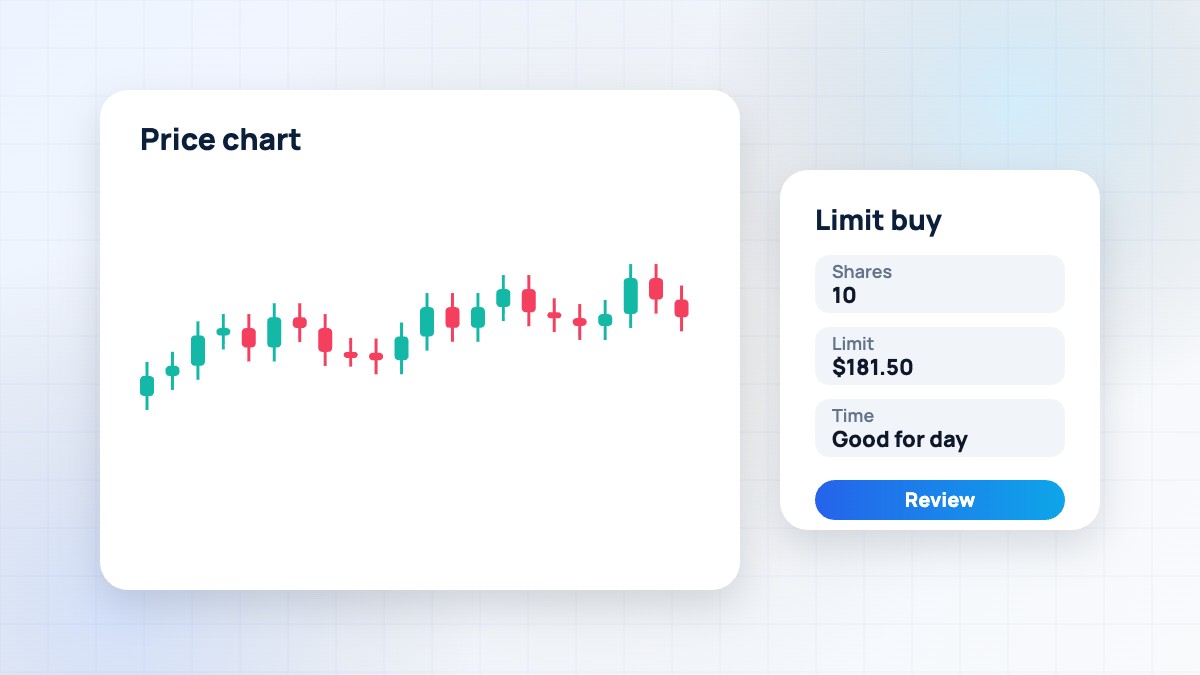
- Setting price-based buy or sell rules.
Remember: simple automation like recurring investments may achieve the same goal without AI risk.
Taxes and records
Trades made by your agent are your trades for tax purposes. Frequent agent trading can create many short-term gains and wash sales. Robinhood reports them on your tax forms. See our taxes guide.
Cortex vs Agentic Trading
Robinhood also offers Cortex, its own AI-powered research and assistant features. Agentic Trading is different: it lets your agent act in a dedicated account. Our upcoming Cortex guide explains Robinhood’s built-in AI tools.
A real-world example
Sam, a software engineer, connected an AI assistant to a Robinhood agentic account funded with $500. He instructed it to keep a 70/30 split between two ETFs and rebalance monthly, with a maximum of two trades a month. He checked the activity feed weekly. After three months, the agent had followed the rules, and Sam decided to keep the experiment small while he learned how the agent behaved in volatile markets.
What’s next
Robinhood said it plans to add options, crypto, event contracts, futures and prediction markets to agentic trading, and to introduce more AI-powered products for everyday investors. Features and rules may change quickly, so check the app and official announcements before relying on them.
Who should try it
- Tech-savvy investors curious about AI automation.
- People with clear, rules-based strategies.
- Those willing to supervise and start small.
Who should wait
- Beginners still learning how markets work.
- Anyone uncomfortable reviewing trades regularly.
- Investors who don’t need automation beyond recurring investments.
Writing good instructions for an agent
AI agents follow instructions, so clear rules matter. Good instructions name the exact investments allowed, the maximum amount per trade and per day, the conditions for trading (for example, “rebalance only if a holding drifts more than 5% from target”) and what to do if something unexpected happens (“stop and ask me”). Avoid vague goals like “make me money”, which invite risky behaviour. Review the agent’s first few actions closely to confirm it understood your rules.
Stopping an agent
If an agent behaves unexpectedly, disconnect it in Robinhood’s settings, review the activity feed and check open orders. Cancel any orders you don’t want. Then decide whether to adjust the instructions or stop using the agent. Keeping this “off switch” in mind makes experimenting much safer.
Related guides
- Is Robinhood Safe? SIPC Protection, Security and Risks Explained
- Robinhood Scams: Fake Texts, Withdrawal Codes and How to Stay Safe
- Robinhood Gold: Cost, Benefits and Is It Worth It in 2026?
- How to Use Robinhood
FAQ
Does Robinhood let AI trade for me?
Yes, through Agentic Trading, using your own connected AI agent in a separate account.
Can the AI access my whole portfolio?
No — it trades in a separate account with only the funds you deposit there.
Is Robinhood’s AI giving me advice?
Agentic Trading connects your agent; it isn’t Robinhood recommending trades. You’re responsible for your agent’s instructions.
What is an MCP server?
A standard way for AI agents to connect to apps and use their tools securely.
Is it safe?
The separate account and controls limit risk, but AI agents can still make bad trades.
Summary
Robinhood Agentic Trading lets you connect your own AI agent to trade in a walled-off account with safety controls, and the Agentic Credit Card does the same for shopping. It’s an innovative tool, but AI can make mistakes. Start small, set clear limits and supervise. This article is educational and not financial advice.
RobinhoodTradeApp Guide is an independent website and is not affiliated with, endorsed by or sponsored by Robinhood Markets, Inc. This article is for educational purposes only and is not financial, investment or tax advice. Fees, rates and features change often, so always confirm details on Robinhood’s official website. Investing involves risk, including the possible loss of principal.

Leave a Reply